The Preservation of Natural Emotions
Annette Perlmutter, a counsellor and emotional wellbeing educator, has developed a practical approach designed to assist those involved in the care and education of children.
Her method provides useful tools that enable parents, caregivers and teachers to gain a deeper understanding of children’s emotions.
With these tools adults can more effectively support children’s healthy emotional development, fostering resilience and emotional stability in young people.
Children’s emotions are not obstacles to overcome, they are essential signals that guide growth, learning, and self‑understanding. This work is dedicated to helping caregivers recognise, honour, and respond to those emotions with confidence and compassion.
We explore how to distinguish between a child’s self‑protective behaviours and genuine misbehaviour, and how the right responses can transform challenging moments into opportunities for connection and development.
By integrating these practices into everyday interactions, caregivers can nurture a child’s sense of safety, resilience, and self‑worth.
These foundations support young people as they grow into confident, compassionate, emotionally balanced adults with the best chance of finding fulfilment and contentment in life.
The Preservation of Natural Emotions Model
1. The Five Core Emotions
Sadness • Fear • Guilt & Shame • Joy • Anger
These emotions are designed to protect children, guide their behaviour, and teach essential life skills.
When supported, they help children learn:
Compassion & empathy
Forgiveness to self and others
Honesty & integrity
Assertiveness
Safety & emotional security
2. The Moment of Disapproval
Humiliation, criticism or disapproval around emotions, prompts a child’s instinct to self‑protect.
Conclusion: “This emotion is not safe. I must hide it.”
3. Suppression Begins
The child starts to push down the “unsafe” emotion/s to avoid further embarrassment or rejection.
What fades:
The ability to express the rejected emotion
Their natural flow of communication
Authenticity
Trust in their own feelings
Confidence and Self-belief
What can build:
Feelings of ‘I am not enough’.
A disliking of oneself which can lead to self punishment.
Isolation & disconnection
A need for control and revenge
A consciousness to adapt themselves to ‘fit in’ to various environments.
4. The Emotional System Reorganises
When one emotion is suppressed, the entire emotional system shifts out of balance.
The remaining natural emotions begin to transition into their Toxic form.
Sadness → Depression
Fear → Anxiety
Anger → Aggression
Joy → Toxic Positivity
Guilt & Shame → Toxic Shame
Annette can articulate the significance of each individual emotion in the developmental journey of children and young people. She provides insights into how every emotion contributes uniquely to a child’s growth, influencing their behaviour, coping strategies and overall well-being.
She is also skilled at illustrating the impact of concealing emotions and explains when one emotion is suppressed, its specific partner emotion gradually intensifies and transitions into its toxic form.
Evidence of altered emotions often only becomes apparent during teenage years. However, the rejected emotion can reappear in its toxic form following a significant life event, highlighting the long-term effects of emotional concealment.
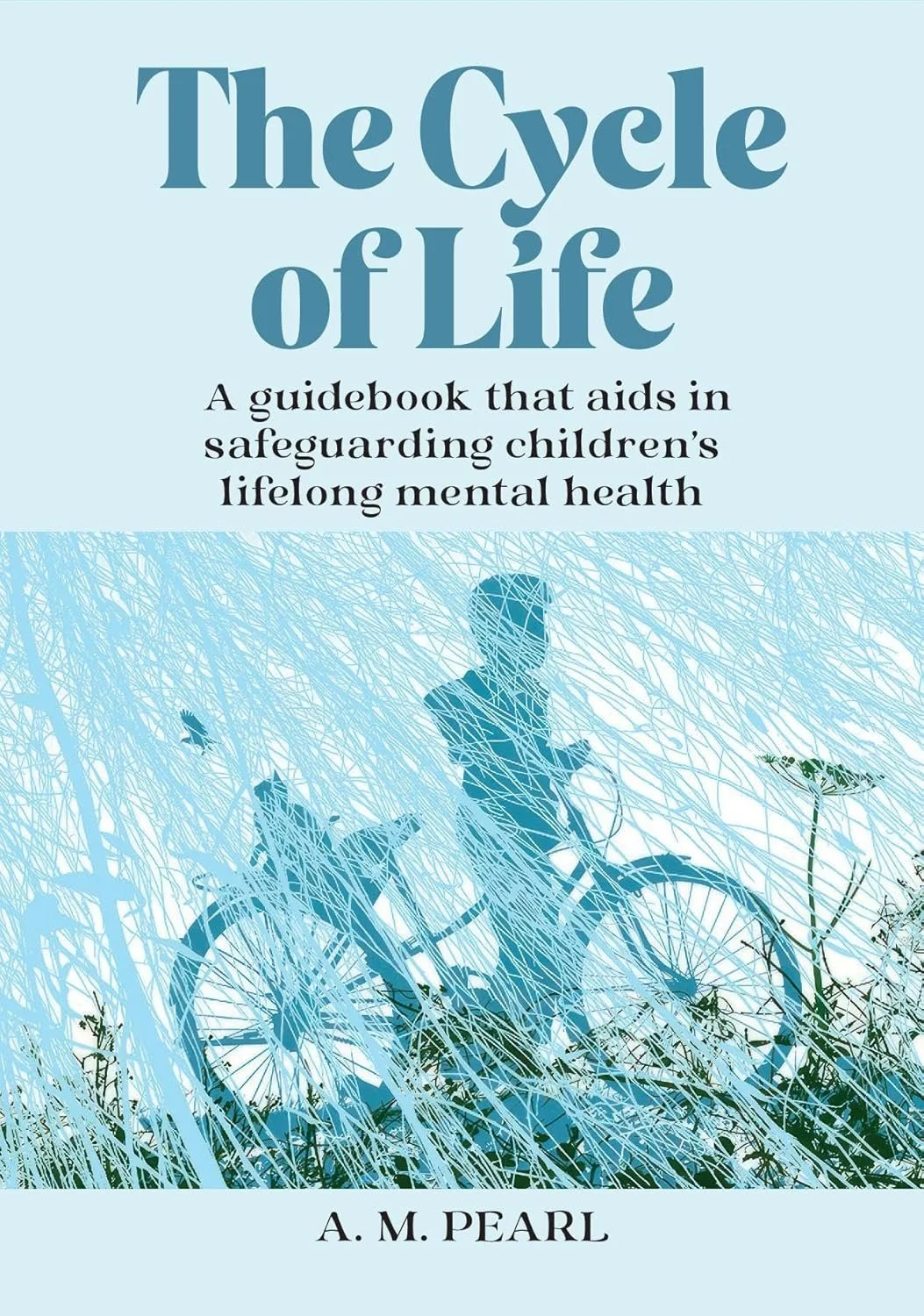
If you would be interested in learning more about this topic, there is a detailed account of it and so much more, including Annette’s life experiences in her book: The Cycle of Life’.
If you would be interested in Annette delivering a presentation or workshop on The Preservation of Natural Emotions Model, please fill in your details on the contact page with a short message and she will get back to you.